Last updated:
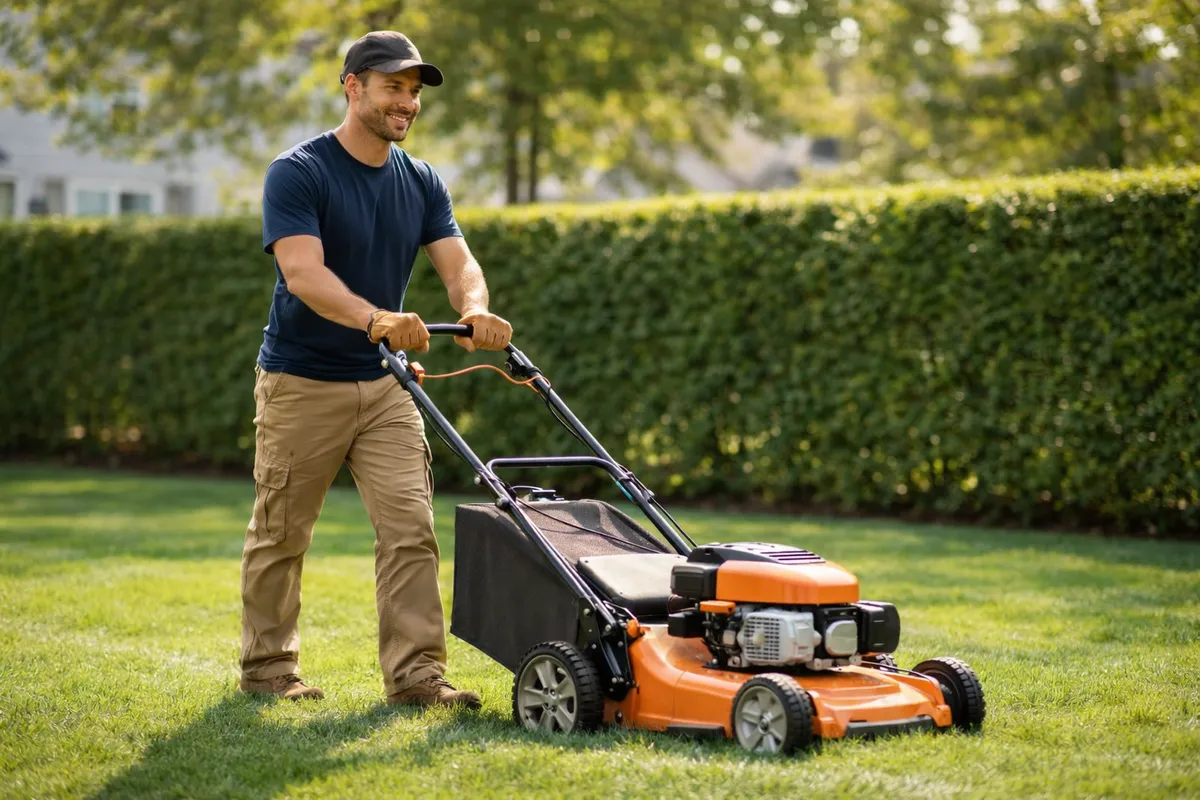
Montana has no state landscaping contractor license. For a first-time business owner, that sounds like a green light to get started immediately — but the reality is more nuanced. Any commercial landscaper who applies herbicides, pesticides, or fungicides to a client’s property must hold a Montana Commercial Pesticide Applicator License from the Department of Agriculture, and a full-service landscaping business in Montana almost always touches that line. Spotted knapweed alone covers millions of acres across the state. A landscaper who offers weed control without this license is operating illegally and exposing themselves to MDA enforcement action.
Want help forming your LLC?
If an LLC fits your business, ZenBusiness can help prepare and submit the formation filing. Starter begins at $0 plus state filing fees. Review optional services and renewal terms before ordering; licenses and ongoing business obligations are separate.
Affiliate link — we earn a commission at no cost to you.
$0 + $35 Montana state fee · Prefer DIY? Our Montana guide covers filing directly with the state — the state fee is identical either way.
Beyond the pesticide license, Montana’s short growing season shapes the business model in ways that have no parallel in a state like Texas or Florida. The frost-free window in Billings is roughly 120 to 130 days — May through September in most of the state, with snow possible at both ends. That compressed season means pricing, staffing, and revenue planning all work differently than in a year-round market. Operators who pair the core mowing and maintenance season with noxious weed management contracts, fall cleanup, and snow removal build more financially stable businesses than those who chase only green-season work.
Montana has no general state sales tax. Landscaping labor is not taxable in Montana — you do not charge clients sales tax on your services, and you do not file monthly sales tax returns. Materials you buy from suppliers are taxable to you at the point of purchase, but your invoices to clients are clean of sales tax obligations. This is a genuine competitive advantage over landscapers in most states, where taxability of services varies and can add meaningful billing complexity. Form your LLC at biz.sosmt.gov for $35 and work through the license and insurance steps below before your first service day.
Landscaping Business Requirements in Montana at a Glance
| Requirement | Agency | Cost | Timeline |
|---|---|---|---|
| LLC Formation | Montana Secretary of State (biz.sosmt.gov) | $35 online / $70 mail | 3–5 business days |
| Annual Report (LLC) | Montana Secretary of State | Waived through 4/15/2026; normally $20/year | Annual |
| Commercial Pesticide Applicator License | Montana Department of Agriculture Pesticide Section | $85 (new and renewal); +$25 late after March 1 | Pass exams first; allow 2–4 weeks; annual license ($85/year) |
| Pesticide Applicator Exam (Core + Ornamental/Turf) | Montana Department of Agriculture | Exam fee included with license application; study materials vary | 80% minimum to pass each exam |
| Continuing Education (pesticide) | MDA-approved providers | Varies by provider | 12 credits per category per 4-year renewal cycle |
| Pesticide Applicator Liability Insurance | Private insurer | Minimum $30,000 required; $1M recommended | Required before license issuance |
| Construction Contractor Registration (if applicable) | Montana DLI Employment Relations Division | $70 (valid 2 years) | Required for grading, irrigation, hardscaping; 2–4 weeks |
| Workers’ Compensation Insurance | Montana State Fund or private insurer | Premium-based on payroll (NCCI 0042 / 0008) | Required before first employee |
| Local Business License | City or county clerk | Typically $25–$100 | 1–2 weeks |
Shopping for coverage? Compare landscaping business insurance costs and coverage in Montana, including exclusions, state requirements and details to prepare for a quote.
How to Start a Landscaping Business in Montana (Step by Step)
Step 1: Form Your LLC
File an LLC with the Montana Secretary of State at biz.sosmt.gov for $35. Mail-in filing costs $70. You need a registered agent with a physical Montana street address. The LLC structure protects personal assets from pesticide liability claims, equipment-related property damage suits, and employee injury lawsuits — all realistic risks in landscaping.
Montana’s annual report fee is waived through April 15, 2026; normally it is $20 per year. Because Montana has no general sales tax, you will not need to register for a sales tax permit or charge sales tax on landscaping services. Register with the Montana Department of Revenue for income tax withholding and with the DLI unemployment insurance division (uieservices.mt.gov) once you have employees.
Step 2: Determine Which Licenses Your Services Require
Montana’s landscaping licensing requirements depend entirely on what you do, not the fact that you’re running a “landscaping business.” Map your planned services against these categories before applying for anything:
- Lawn mowing, leaf blowing, raking, edging, basic planting (no chemical application): No state license required. A local business license from your city or county is sufficient.
- Applying any herbicide, pesticide, fungicide, or pre-emergent treatment commercially: Montana Commercial Pesticide Applicator License required from the Montana Department of Agriculture. This covers weed killers, insecticides, fungicides, and most fertilizer blends containing any pesticide component. The category for most landscaping businesses is Ornamental and Turf Pest Control.
- Construction-type landscaping — grading, excavation, irrigation system installation, retaining walls, hardscaping involving site prep: Construction Contractor Registration (CCR) required from Montana DLI. Routine lawn maintenance is not subject to CCR, but any work that involves earth movement or irrigation infrastructure typically is.
- Tree removal, stump grinding, arboriculture: No state tree service license in Montana. General liability insurance is essential given the property damage exposure of tree work. NCCI workers’ comp code 0008 applies to tree trimming and arborist operations.
- Noxious weed management (chemical treatment): Requires the pesticide applicator license. This is a growing service line in Montana given the prevalence of spotted knapweed, leafy spurge, and other statewide noxious weeds — see the noxious weed section below.
Step 3: Pass the Pesticide Applicator Exams
If any part of your service offering involves pesticide or herbicide application, you must obtain the Montana Commercial Pesticide Applicator License before purchasing or applying restricted-use pesticides. The license requires passing two exams administered or approved by the Montana Department of Agriculture:
- Core exam: Covers general pesticide safety, federal and state pesticide law, label reading, application principles, and personal protective equipment. Required for all commercial applicators regardless of category.
- Category exam — Ornamental and Turf Pest Control: Covers pest management specific to ornamental trees, shrubs, flowers, and turf — insects, diseases, and weeds affecting managed landscapes. This is the relevant category for landscaping businesses.
Minimum passing score: 80% on each exam. Below 80% on either exam means you cannot receive the license until you retake and pass.
The Montana Department of Agriculture offers annual pesticide certification training statewide in early spring — check MDA’s website or contact the Pesticide Section for the current year’s schedule. You may also study independently using MDA-approved study materials and schedule exams directly with MDA. Contact:
- Phone: (406) 444-4900
- Email: [email protected]
- Website: agr.mt.gov
Step 4: Secure the Required Liability Insurance
Montana requires commercial pesticide applicators to carry liability insurance before the license is issued. Minimum coverage for ground applicators is $30,000 per occurrence. Aerial applicators require a minimum of $50,000.
In practice, most commercial landscaping operations carry $1 million general liability, which covers the pesticide minimum and also protects against property damage, client injury, and other non-pesticide claims. The $30,000 minimum is a floor, not a recommended coverage amount. Obtain proof of insurance before submitting your license application — MDA requires it as part of the application package.
Step 5: Apply for the Montana Commercial Pesticide Applicator License
After passing your exams and securing liability insurance, submit your application to the Montana Department of Agriculture Pesticide Section:
- Fee: $85 for new applications and renewals — the same fee for both
- Late renewal penalty: Add $25 if application is postmarked after March 1
- License renewal: Annual ($85/year; +$25 late after March 1). Certification CECs: 12 credits/category per 4-year cycle
- Continuing education requirement: 12 credits per category per 4-year renewal cycle
- Agency: Montana Department of Agriculture, Pesticide Section, MCA Title 80
- Phone: (406) 444-4900
- Email: [email protected]
Recordkeeping: Montana requires licensed commercial pesticide applicators to maintain records of all applications for a minimum of 2 years. Required entries: application location, date and time, pesticide product name and EPA registration number, target pest, application rate, total area treated, and applicator name. These records must be available for MDA inspection and must be provided to clients or neighboring property owners upon request in certain circumstances.
Step 6: Construction Contractor Registration (If Applicable)
If your landscaping services include construction-type work — grading, leveling, excavation, irrigation system installation, retaining wall construction, or similar — register as a construction contractor with Montana DLI before doing that work:
- Construction Contractor Registration (CCR): $70, valid 2 years. Requires proof of workers’ comp insurance (or ICEC if sole proprietor with no employees).
- Independent Contractor Exemption Certificate (ICEC): $125, valid 2 years. For sole proprietors with no employees who want to contract directly without CCR workers’ comp requirements.
- Agency: Montana DLI Employment Relations Division — erd.dli.mt.gov
- Phone: (406) 444-7734
Standard lawn maintenance — mowing, blowing, edging, weeding — does not typically require CCR. Installing a new irrigation system or regrading a yard does. If you are unsure whether a specific project triggers CCR, contact Montana DLI Employment Relations Division for a determination.
Step 7: Follow Montana 811 Before Any Digging
Before any excavation on a client’s property — irrigation trenching, planting in utility corridors, post-hole digging, or any other ground disturbance — Montana law requires you to notify the 811 system. This is not optional.
- Statute: MCA § 69-4-501 et seq. (Montana Underground Facilities Damage Prevention Act)
- How to notify: Call 811 or submit online at Montana811.com
- Response window: Facility owners (utilities, pipeline operators) must respond and mark buried lines within 2 business days
- Work window: Work must begin within 30 days of your notification; if the project extends beyond 30 days, you must re-notify
Hitting a buried utility line — a gas line, electric conduit, or fiber cable — can result in serious injury, property damage, and liability claims that can sink a small landscaping business. Call 811 every time, for every dig, on every job site. This rule applies whether you are hand-digging a flower bed or using a trencher for irrigation.
Step 8: Obtain Workers’ Compensation Insurance and a Local Business License
Workers’ compensation: Montana requires workers’ comp coverage for any employer with one or more employees — including part-time, seasonal, and summer-only workers. Landscaping work carries above-average injury risk (equipment accidents, chemical exposure, heat, falling tree limbs). Get quotes from the Montana State Fund and from private insurers. NCCI workers’ comp classification codes for landscaping: 0042 (landscaping and groundskeeping) and 0008 (tree trimming and arborist operations).
Local business license: Obtain from your city or county clerk before operating. Most Montana cities require a local business license regardless of state licensing status. Fees typically range from $25 to $100 annually.
Employer registration: Once you have employees, register with the Montana Department of Revenue for income tax withholding and with Montana DLI Unemployment Insurance Division (uieservices.mt.gov) for unemployment insurance contributions. Montana’s 2026 UI wage base is $47,300; new employer rates are approximately 1%.
Summer-only crews are still employees
Montana requires workers’ compensation for any employer with one or more employees — explicitly including part-time, seasonal and summer-only workers. For a trade that staffs up in May and down in September, that is the whole crew, from their first day.
The risk is not theoretical: equipment accidents, chemical exposure, heat, falling limbs. Codes are 0042 for landscaping and groundskeeping and 0008 for tree and arborist work — and they price differently, so how your crew is coded matters.
Montana State Fund and private carriers both write here, so it is worth comparing. Simply Business quotes landscaping liability online with your certificate of insurance ready the moment you buy.
Affiliate link — we earn a commission at no cost to you.
Check MT landscaping insurance prices →
Free quote, no obligation · multiple quotes in under 10 minutes online · Simply Business is rated 4.3/5 from 1,859 reviews on Trustpilot
Montana’s Short Growing Season: Planning Your Business Model
Montana’s growing season is the defining constraint of the landscaping business here. In Billings — the warmest and driest major city in the state — the frost-free period is approximately 120 to 130 days, running from mid-May through mid-September in most years. Snow is possible in early May and again in late September. Western Montana markets like Missoula and the Flathead Valley have more moisture and somewhat longer shoulder seasons, but still nothing approaching a year-round mowing schedule.
This compressed season means your revenue window for core mowing and maintenance is roughly 22 to 24 weeks per year — compared to 40+ weeks in a state like Texas or Georgia. Operators who treat landscaping as a pure mowing business struggle financially. Those who build a service mix that generates revenue outside the peak green season build more resilient businesses. Strategies that work in Montana include:
- Noxious weed management: Spotted knapweed and leafy spurge treatment runs from early spring through fall — often starting before the mowing season peaks and continuing after it ends. This is a high-margin specialty that requires the pesticide applicator license but commands premium pricing from ranchers, municipalities, and HOAs.
- Fall cleanup contracts: Leaf removal, garden bed winterization, and late-season aeration extend revenue into October and early November.
- Snow removal: Montana winters are long and reliable for snow. Seasonal contracts with commercial properties, HOAs, and residential clients provide winter cash flow. Snow removal equipment investments (plows, snowblowers, spreaders) pay back quickly in markets like Bozeman, Missoula, and Billings.
- Spring startup packages: Montana property owners are eager to get yards ready after long winters. Pre-season aeration, dethatching, and fertilization programs booked in February and March provide early-season revenue.
- Irrigation system installation and winterization: Installing systems in spring and blowing them out in fall bookends the season with high-value, scheduled work.
Noxious Weed Removal: A Montana-Specific Opportunity
Montana’s statewide noxious weed list — managed by the Montana Department of Agriculture under the Noxious Weed Management Act — identifies invasive species that landowners are required by law to manage on their properties. The most widespread problem species across Montana include:
- Spotted knapweed (Centaurea stoebe) — the single most pervasive noxious weed in Montana, covering millions of acres statewide. Extremely competitive with native vegetation; hard to eradicate once established.
- Leafy spurge (Euphorbia esula) — toxic to cattle; spreads aggressively via root systems; concentrated on rangelands in eastern and central Montana.
- Canada thistle (Cirsium arvense) — common in disturbed soils, roadsides, and irrigated areas across the state.
- Yellow toadflax (Linaria vulgaris) — drought-tolerant invader found on roadsides and dry rangelands.
- Dalmatian toadflax (Linaria dalmatica) — common in western Montana; spreads along disturbed ground and road corridors.
Because Montana property owners have a legal obligation to manage these weeds, there is consistent, recurring demand for licensed applicators who can identify and treat infestations using appropriate herbicide programs. County weed districts often contract with private applicators for treatment work on public lands and roads. Ranchers and large landowners in eastern Montana regularly hire commercial applicators. This is not a niche service — it is a mainstream revenue opportunity that requires the pesticide license and provides work that extends well into shoulder seasons when mowing demand drops.
Approach county weed districts (every Montana county has one) directly to introduce your business. Many actively maintain vendor lists of licensed commercial applicators for contract work. The Montana Weed Control Association (MWCA) is the professional organization for weed management professionals in the state and a useful networking resource.
Montana Landscaping Market: Where the Demand Is
Billings is Montana’s largest city and most stable year-round landscaping market. The Billings Clinic and SCL Health (Intermountain Health Montana) hospital systems, major retail corridors, and established residential neighborhoods generate consistent commercial and residential demand. Oil refinery operations along the Yellowstone River employ a large workforce with homeowner spending power. Billings’ position as a service hub for southeastern Montana also means the commercial landscaping market extends to surrounding agricultural communities.
Bozeman is the fastest-growing city in Montana and increasingly the highest-income landscaping market in the state. Remote workers, tech industry transplants, and the Montana State University community have driven rapid residential development with landscaping budgets to match. The Bozeman Saturday Farmers Market (May through October, the largest in the state) is a community gathering point that signals the season’s start and reflects the city’s outdoor-oriented culture. Premium landscaping services — native plantings, water-wise designs, and professionally maintained HOA common areas — command Bozeman’s best rates.
Missoula combines the University of Montana’s campus community with a strong outdoor recreation culture and a dense residential market. The city’s mild (by Montana standards) microclimate gives it a slightly longer usable season than eastern Montana cities. The Missoula market rewards landscapers who emphasize environmentally responsible practices — native plant restoration, pollinator gardens, and low-input turf management — given the community’s environmental values.
Great Falls serves Malmstrom Air Force Base and the surrounding agricultural economy. Military housing and base facilities generate institutional landscaping demand. The city’s position as a service center for north-central Montana extends the commercial customer base beyond the city limits.
Whitefish and the Flathead Valley offer a two-season market: summer Glacier National Park tourism creates demand for resort and vacation property landscaping; winter ski season at Whitefish Mountain Resort creates snow removal demand. High-income seasonal property owners in the Flathead Valley invest significantly in landscaping their vacation homes and ranches.
Eastern Montana (Billings, Sidney, Glendive, Miles City): Eastern Montana’s wide-open ranch country generates significant noxious weed management demand. Spotted knapweed and leafy spurge are major problems for ranchers and highway departments in this region. A pesticide applicator operating in eastern Montana with herbicide expertise can build a client base among ranchers, county weed districts, and state highway department contractors — work that is both year-round (in the sense of running through fall) and recurring by contract.
Cost to Start a Landscaping Business in Montana
| Item | Estimated Cost | Notes |
|---|---|---|
| LLC Formation | $35 | Online at biz.sosmt.gov; annual report waived through 4/15/2026 |
| Pesticide Applicator License | $85 | Annual renewal ($85/year); +$25 late after March 1 |
| Pesticide Exam Prep and Study Materials | $50–$150 | Core + Ornamental/Turf category; 80% minimum to pass each |
| Continuing Education (per 4-year cycle) | $100–$300 | 12 credits per category per renewal cycle |
| General Liability Insurance (annual) | $500–$1,500 | $1M occurrence recommended; $30K minimum required for pesticide license |
| Construction Contractor Registration (if applicable) | $70 | Every 2 years; required for grading, irrigation, hardscaping |
| Local Business License | $25–$100 | Varies by city or county |
| Workers’ Compensation Insurance (annual) | $1,500–$6,000+ | Based on payroll; NCCI 0042 landscaping / 0008 tree trimming |
| Equipment (mowers, trimmers, truck, trailer) | $5,000–$50,000+ | Largest variable; new commercial vs. used; trailer vs. box truck |
| Pesticide Supplies and Sprayer | $500–$3,000 | Initial herbicide stock and spray equipment for applicators |
| Snow Removal Equipment (optional, recommended) | $2,000–$15,000 | Plow, snowblower, spreader; extends revenue into winter months |
Estimated total startup cost (solo operator, used equipment, no snow removal): $8,000–$20,000. Adding commercial equipment and a snow removal package can push startup costs to $30,000–$70,000+. The short season makes per-job pricing discipline essential — underpricing work in a 22-week season has no room for correction.
Ready to form your Montana LLC?
We earn a commission if you sign up through this link, at no extra cost to you.
If an LLC fits your business, ZenBusiness can help prepare and submit the formation filing. Starter begins at $0 plus state filing fees. Review optional services and renewal terms before ordering; licenses and ongoing business obligations are separate.
Starts at $0 + Montana state fee
Related Montana Business Guides
- Landscaping Insurance Costs & Coverage in Montana
- How to Start a Food Truck in Montana
- How to Start a Cleaning Service in Montana
- How to Start an HVAC Business in Montana
- How to Become a Private Investigator in Montana
← Back to all Montana business guides
Data for Montana
Free research and planning tools for starting a landscaping business in Montana. Most of the data pages compare every state, so look for Montana in the table or map.
- Landscaping jobs by season: how much landscaping work in Montana swings from winter to summer.
- Home services demand by state: whether more houses in Montana means more landscaping and HVAC work.
- What service employers pay by state: average yearly pay and typical staff size for service businesses in Montana.
- How to get commercial landscaping contracts: find who buys grounds work and send a clear, priced scope.
- How to bid on city landscaping contracts: find mowing bids, check the scope and submit a complete bid.
Start a Landscaping Business in Nearby States
Thinking about taking jobs across the state line, or just want to see how Montana stacks up? Here are the same step-by-step guides for the states around Montana, plus a few that other new landscaping business owners read most.
- Starting a landscaping business in Wyoming (borders Montana)
- Starting a landscaping business in Idaho (borders Montana)
- Starting a landscaping business in North Dakota (borders Montana)
- Starting a landscaping business in South Dakota (borders Montana)
- Starting a landscaping business in Washington (near Montana)
- Starting a landscaping business in Florida (one of our most-read landscaping guides)
- Starting a landscaping business in California (one of our most-read landscaping guides)
- Starting a landscaping business in Alabama (one of our most-read landscaping guides)
Frequently Asked Questions
Do I need a license to start a landscaping business in Montana?
There is no state landscaping contractor license in Montana. Basic lawn mowing and planting without pesticide application requires only a local business license from your city or county. However, applying any herbicide, pesticide, or fungicide commercially requires a Montana Commercial Pesticide Applicator License from the Department of Agriculture ($85/year). Construction-type landscaping such as grading or irrigation installation requires Construction Contractor Registration with Montana DLI ($70, 2-year renewal). The pesticide license is the practical barrier for most full-service landscaping businesses.
How do I get the Montana Pesticide Applicator License for landscaping?
Pass the MDA core exam and the Ornamental and Turf Pest Control category exam, both with a minimum score of 80%. Secure minimum $30,000 liability insurance for ground applicators. Submit the completed application with the $85 fee to the Montana Department of Agriculture Pesticide Section. Contact MDA at (406) 444-4900 or [email protected] for exam scheduling and application materials. The license renews annually at $85. Late renewal after March 1 adds a $25 penalty. Continuing education requirement is 12 credits per category per 4-year cycle.
Does Montana charge sales tax on landscaping services?
No. Montana has no general state or local sales tax. Landscaping labor is not taxable — you do not charge clients sales tax on mowing, weed control, planting, or cleanup services. Materials you purchase from a supplier are taxable to you as the contractor at the point of purchase, but your client invoices are clean of sales tax. This is a significant billing and pricing advantage over landscapers operating in most other states, where taxability of services varies and sales tax filing obligations add monthly administrative burden.
What is Montana’s noxious weed law and how does it affect landscapers?
Montana’s Noxious Weed Management Act requires landowners to manage designated noxious weeds on their property. The most prevalent problem species statewide include spotted knapweed, leafy spurge, Canada thistle, yellow toadflax, and Dalmatian toadflax. Because property owners have a legal management obligation, there is consistent, recurring demand for licensed applicators who can identify and treat infestations using appropriate herbicide programs. Any chemical treatment requires a Montana Pesticide Applicator License. County weed districts across Montana regularly contract with private commercial applicators — introducing yourself to your county weed district is a direct path to institutional clients.
Do I need to call 811 before digging for landscaping work in Montana?
Yes. Under MCA § 69-4-501, all excavators must notify the 811 system before any digging — including irrigation trenching, post-hole digging, and planting in areas with underground utilities. Call 811 or submit online at Montana811.com. Facility owners have 2 business days to respond and mark buried lines. Your work must begin within 30 days of notification; projects running longer than 30 days require re-notification. Hitting a buried utility line creates liability that can far exceed any landscaping job’s profit.
How long is the landscaping season in Montana?
The active growing season in most of Montana runs from approximately May through September — roughly 22 weeks. In Billings, the frost-free period is approximately 120 to 130 days. Snow is possible in early May and again in late September. This compressed window means Montana landscapers must price work to cover the full year’s overhead in under six months of active billing. Adding noxious weed management, fall cleanup packages, snow removal, and spring startup services to your offering extends billable months and smooths annual revenue.
Is workers’ comp required for seasonal landscaping employees in Montana?
Yes. Montana requires workers’ compensation for any employer with one or more employees, including seasonal and part-time workers. There are no exceptions for summer-only hires. Secure coverage from the Montana State Fund or a private insurer before your first employee begins work. NCCI workers’ comp classification code for landscaping and groundskeeping is 0042; tree trimming and arborist operations use code 0008.
Do Montana landscapers need to keep pesticide application records?
Yes. Licensed commercial pesticide applicators must maintain records of all applications for a minimum of 2 years. Required entries: application location, date and time, pesticide product name and EPA registration number, target pest, application rate, total area treated, and applicator name. Records must be available for MDA inspection and must be provided to clients or neighboring property owners upon request in certain circumstances. Keep these records organized by job site and date — MDA inspectors can request them without advance notice.
More Montana Business Guides
- Do You Need an Arborist License in Montana?
- How to Become a Private Investigator in Montana (2026)
- How to Get a Montana Liquor License
- How to Start a Cleaning Service in Montana (2026)
- How to Start a Daycare in Montana (2026)
- How to Start a Food Truck in Montana (2026)
- How to Start a Hair Salon in Montana (2026)
- How to Start a Plumbing Business in Montana: Licenses, Costs & Insurance
- How to Start an Electrical Business in Montana: Licenses, Costs & Insurance
- How to Start an HVAC Business in Montana (2026)
- Montana Business Loans: Local Funds & Commercial Options
- Montana LLC Cost: $35 to File Articles (2026)
- Montana Massage License: Cost & Requirements (2026)
