Last updated: February 26, 2026
Starting a landscaping business in West Virginia does not require a general contractor license. However, if your business applies pesticides, herbicides, or fertilizers with pesticide activity to clients’ properties for hire, you must obtain a Commercial Pesticide Applicator License and a Licensed Pesticide Application Business (LPAB) license from the WV Department of Agriculture. If you offer only mowing, trimming, and non-chemical services, no state license is required beyond the standard business registrations. This guide covers every requirement to legally operate a landscaping business in West Virginia in 2026.
Landscaping Business Requirements in West Virginia at a Glance
| Requirement | Agency | Cost | Timeline |
|---|---|---|---|
| Commercial Pesticide Applicator License (individual) — if applying pesticides | WV Department of Agriculture | $20 exam fee + $20 annual license fee | 4-8 weeks (includes exam) |
| Licensed Pesticide Application Business (LPAB) — if applying pesticides | WV Department of Agriculture | $60/year | 2-4 weeks |
| Business Registration Certificate | WV State Tax Department | $30 (one-time) | Same day online |
| LLC Formation (recommended) | WV Secretary of State | $25 + $1 portal fee | 2-5 business days |
| General Liability Insurance ($300K min for LPAB) | Private insurer | $800-$2,500/year | 1-3 business days |
| Workers’ Compensation Insurance | Private carrier (required for all employees) | Varies by payroll (higher risk class) | Before first hire |
How to Start a Landscaping Business in West Virginia (Step by Step)
Step 1: Determine Whether You Need a Pesticide License
The key question for West Virginia landscapers: will you apply pesticides for hire?
If YES (pesticides/herbicides applied to client properties):
- You need a Commercial Pesticide Applicator License (individual) AND an LPAB (Licensed Pesticide Application Business) license
- This covers herbicides, insecticides, fungicides, and fertilizers with pesticide activity
- Issued by the WV Department of Agriculture, Pesticide Regulatory Programs
- Phone: 304-558-2209
If NO (mowing, trimming, planting, mulching only — no chemical applications):
- No pesticide license required
- Still need: Business Registration Certificate ($30), LLC filing ($26), workers’ comp insurance
Most professional landscaping companies eventually offer weed control and fertilization services, making the pesticide license important for business growth.
Step 2: Pass the Pesticide Applicator Exams
All WV Commercial Pesticide Applicator License applicants must pass:
- General Standards exam — covers pesticide safety, label reading, equipment calibration, environmental protection, and WV regulations
- At least one category exam — most landscapers need:
- Category 4A: Ornamental and Turf Outdoors (primary for lawn care, landscaping, turf management)
- Category 3: Forest Pest Control (if performing tree/forestry work)
Exam logistics:
- Exam fee: $20 per exam attempt
- Exams are administered through the WV Department of Agriculture’s WVPlants online system and at extension offices
- Study materials available from the WV Department of Agriculture and Cooperative Extension Service
- No minimum hours of training required — self-study is allowed
Step 3: Apply for Your Commercial Pesticide Applicator License
After passing the required exams:
- Annual license fee: $20
- Renewal window: November 1 through April 1 each year
- Renewal through the WVPlants online system
- Continuing education (CEUs): 20 Continuing Credit Units (CCUs) per category every 3 years, by December 31 of the third year
- No fee for city, state, or government employees
Step 4: Apply for Your LPAB (Business) License
In addition to the individual applicator license, your business must also be licensed as a Licensed Pesticide Application Business (LPAB):
LPAB requirements:
- Annual fee: $60
- Renewal window: November 1 through April 1 each year
- Must provide a current certificate of liability insurance (see insurance requirements below)
- Must provide your WV Business Registration Certificate number from the Tax Department
LPAB insurance requirements:
- Bodily injury: $300,000 minimum coverage
- Property damage: $100,000 minimum coverage
- Workers’ compensation: Required if you have employees
Step 5: Form Your Business Entity
- LLC formation: $26 through the WV One Stop Business Portal
- Business Registration Certificate: $30 from the WV State Tax Department (required before LPAB license)
- Annual Report: $25/year + $1 online fee, due before June 30
Step 6: Insurance and Workers’ Compensation
General liability insurance:
- Required for LPAB: $300,000 bodily injury / $100,000 property damage minimum
- Recommended coverage: $1,000,000 per occurrence for broader protection
- Annual cost: approximately $800-$2,500 depending on revenue and services
Workers’ compensation:
- Required for all employees — WV has no small-employer exemption
- Landscaping is classified as a higher-risk occupation (manual labor outdoors), resulting in higher premiums than office work
- Obtain from a private carrier in WV’s competitive market
Step 7: Equipment and Business Setup
Essential equipment for a landscaping business:
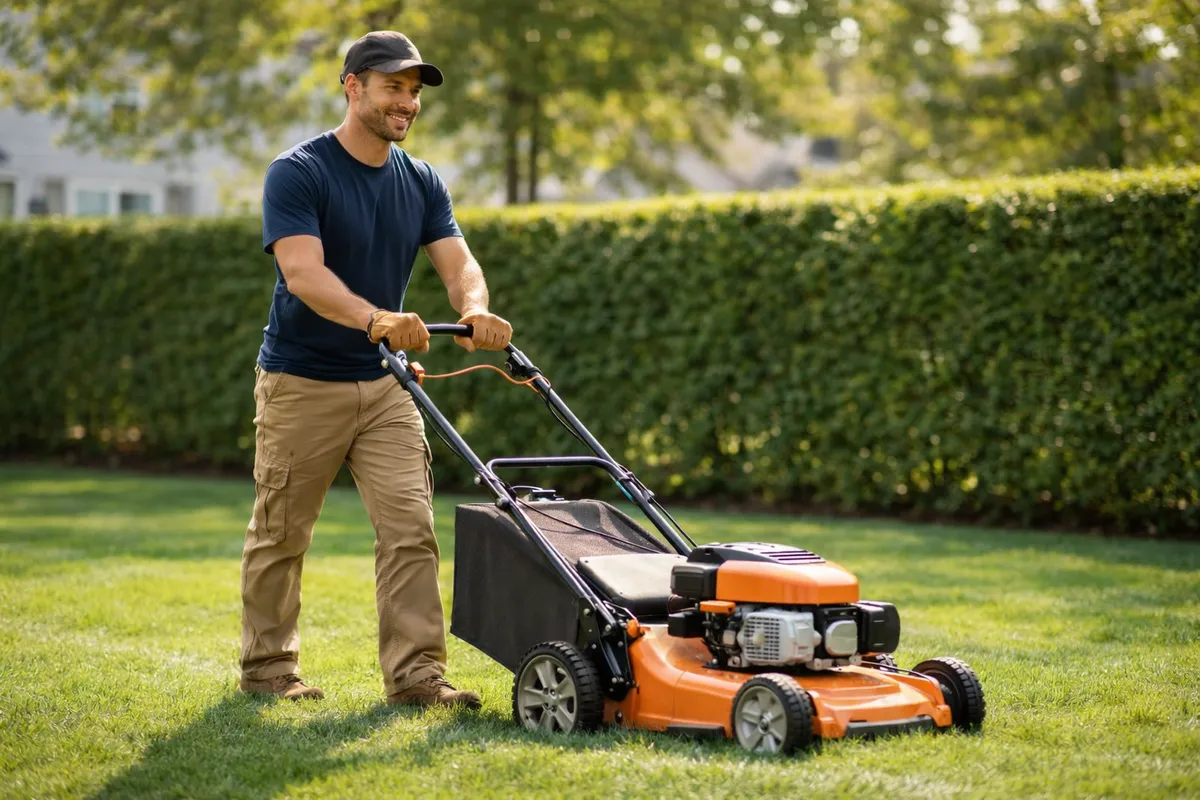
- Commercial zero-turn or walk-behind mower: $2,000-$12,000
- String trimmer(s): $200-$600
- Blower: $300-$600
- Edger: $200-$400
- Hand tools (shovels, rakes, pruners): $300-$800
- Trailer: $1,500-$5,000
- Truck or large vehicle: $5,000-$30,000
- Pesticide application equipment (if licensed): $500-$3,000 (hand sprayer to ride-on spreader)
Cost to Start a Landscaping Business in West Virginia
| Item | Cost | Notes |
|---|---|---|
| Pesticide applicator exam | $20 per exam | WV Dept. of Agriculture; General Standards + category exam |
| Commercial Applicator License | $20/year | WV Dept. of Agriculture; annual renewal Nov 1-Apr 1 |
| LPAB Business License | $60/year | Required for any pesticide application business |
| LLC formation | $26 | WV SOS + $1 portal fee |
| Business Registration Certificate | $30 | WV State Tax Department; one-time |
| General liability insurance ($300K-$1M) | $800-$2,500/year | Required for LPAB; $300K/$100K minimum |
| Workers’ compensation | Varies by payroll | Required for all employees; higher rates for landscaping |
| Commercial mower | $2,000-$12,000 | Zero-turn or walk-behind; used equipment saves significantly |
| Hand tools and small equipment | $700-$2,400 | Trimmer, blower, edger, hand tools |
| Trailer | $1,500-$5,000 | Open utility trailer for mower and equipment transport |
| Truck or tow vehicle | $5,000-$30,000 | Used pickup truck is typical; must tow trailer safely |
| Marketing (website, signs, business cards) | $300-$1,500 |
Estimated total startup cost: $12,000 – $60,000
Related West Virginia Business Guides
- How to Start a Cleaning Service in West Virginia
- How to Start a Food Truck in West Virginia
- How to Start a Daycare in West Virginia
- How to Start an HVAC Business in West Virginia
- How to Start a Hair Salon in West Virginia
- How to Start a Private Investigator Business in West Virginia
← Back to all West Virginia business guides
Frequently Asked Questions
Do I need a license to start a landscaping business in West Virginia?
It depends on your services. If you apply pesticides, herbicides, or chemical fertilizers to client properties for hire, you need both a Commercial Pesticide Applicator License ($20/year) and a Licensed Pesticide Application Business (LPAB) license ($60/year) from the WV Department of Agriculture. If you only mow, trim, plant, and mulch without any chemical applications, no state landscaping license is required beyond the standard Business Registration Certificate ($30) and LLC formation ($26).
What pesticide license do I need for landscaping in West Virginia?
For lawn care and landscaping work, you need Category 4A: Ornamental and Turf Outdoors. You must also pass the General Standards exam. Both exams cost $20 each. After passing, apply for your Commercial Applicator License ($20/year) from the WV Department of Agriculture. Your business must also register as a Licensed Pesticide Application Business (LPAB) at $60/year.
What insurance is required for a West Virginia landscaping business?
LPAB (pesticide application) businesses must carry: $300,000 bodily injury liability, $100,000 property damage liability, and workers’ compensation insurance (if you have employees). Workers’ comp is required for all WV employees regardless of business size. Recommended coverage for broader protection: $1,000,000 per occurrence general liability. Annual cost: approximately $800-$2,500 depending on revenue.
How often do I need to renew my pesticide license in West Virginia?
Both the Commercial Applicator License ($20) and LPAB license ($60) renew annually. The renewal window is November 1 through April 1 each year through the WVPlants online system. Additionally, you must complete 20 Continuing Credit Units (CCUs) per licensed category every 3 years by December 31. Failure to renew on time or maintain required CCUs can result in license suspension.
Do I need a contractor license to do landscaping in West Virginia?
No general landscaping contractor license exists at the state level in West Virginia. The WV Contractor Licensing Board license applies to construction contractors, not landscapers. The only state-level license specifically for landscaping businesses is the pesticide applicator license (if you apply chemicals). Some municipalities may have local business license requirements — check with your city or county clerk.
How much does a West Virginia pesticide applicator license cost?
Individual Commercial Applicator License: $20/year from the WV Department of Agriculture (after passing the General Standards exam + Category 4A exam, each $20). LPAB (business license): $60/year. Total annual licensing cost for a pesticide-applying landscaping business: approximately $80/year for licensing fees, plus insurance costs.
More West Virginia Business Guides
- How to Start a Cleaning Service in West Virginia (2026)
- How to Start a Daycare in West Virginia (2026)
- How to Start a Food Truck in West Virginia (2026)
- How to Start a Hair Salon in West Virginia (2026)
- How to Start a Private Investigator Business in West Virginia (2026)
- How to Start an HVAC Business in West Virginia (2026)
Start a Landscaping Business Business in Other States
- Alabama
- Alaska
- Arizona
- Arkansas
- California
- Colorado
- Connecticut
- Washington D.C.
- Delaware
- Florida
- Georgia
- Hawaii
- Idaho
- Illinois
- Indiana
- Iowa
- Kansas
- Kentucky
- Louisiana
- Maine
- Maryland
- Massachusetts
- Michigan
- Minnesota
- Mississippi
- Missouri
- Montana
- Nebraska
- Nevada
- New Hampshire
- New Jersey
- New Mexico
- New York
- North Carolina
- North Dakota
- Ohio
- Oklahoma
- Oregon
- Pennsylvania
- Rhode Island
- South Carolina
- South Dakota
- Tennessee
- Texas
- Utah
- Vermont
- Virginia
- Washington
- Wisconsin
- Wyoming
